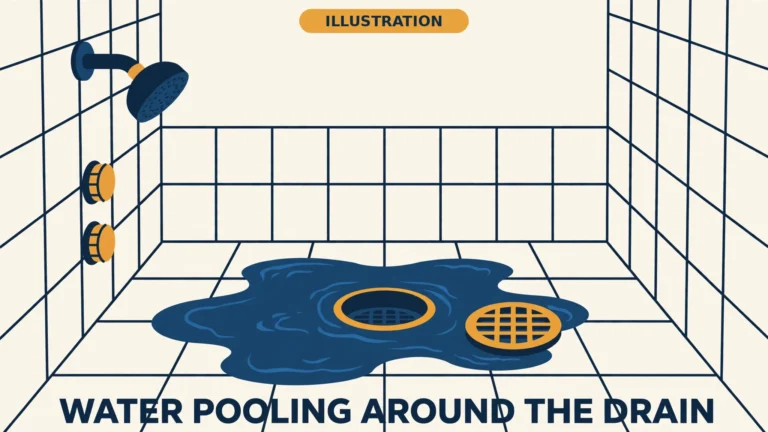
How to Unclog a Shower Drain Quick answer Most shower drains clog with hair and soap at the strainer, and a $5 plastic zip tool clears them in five minutes. Diagnose first: a slow drain is local, standing water means a plug at the trap, and several fixtures failing together is a vent or main-line…
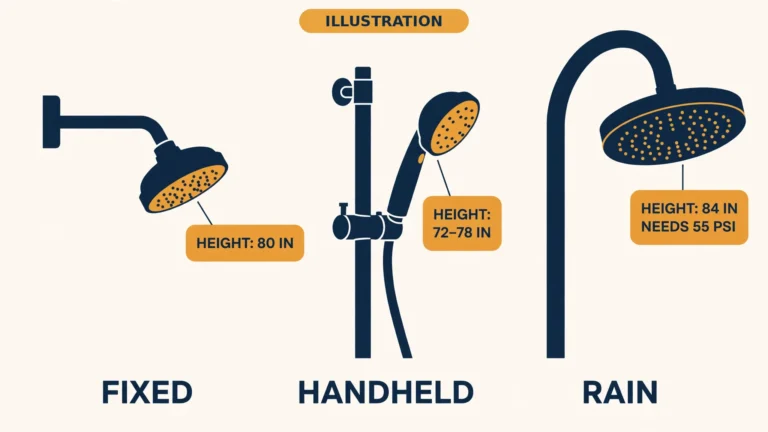
How to Replace a Shower Head Quick answer A new shower head is a 15-minute swap on a standard 1/2-inch fitting — if you pick the right one first. Match the head to your water pressure and your height, not just the price tag. A rain head needs 55 pounds of pressure and 84 inches…
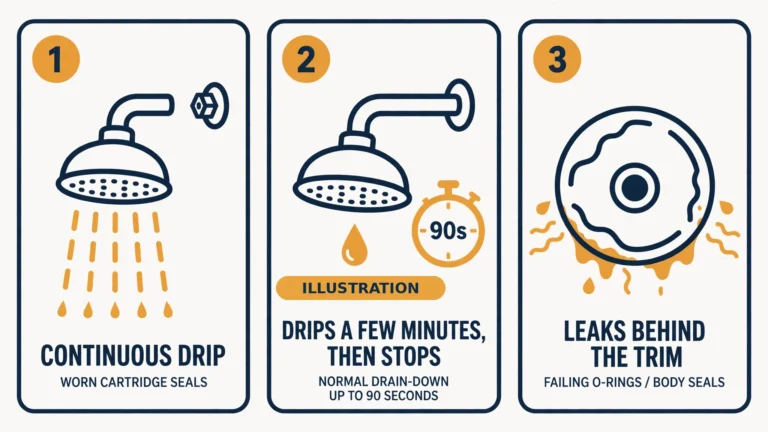
Quick answer Most leaking shower heads are a $2 washer, a loose connection, or mineral buildup — not a new fixture. Dry everything, run the shower for 15 seconds, turn it off, and watch where the water appears. That tells you the fix in under a minute — and if the drip keeps going minutes…
Quick answer A shower that drips after shutoff is almost always the cartridge — the part inside the valve that shuts the water off. Match the part by brand before you buy: the wrong cartridge will not fit, and the right one swaps out from the front in under an hour. If the drip survives…
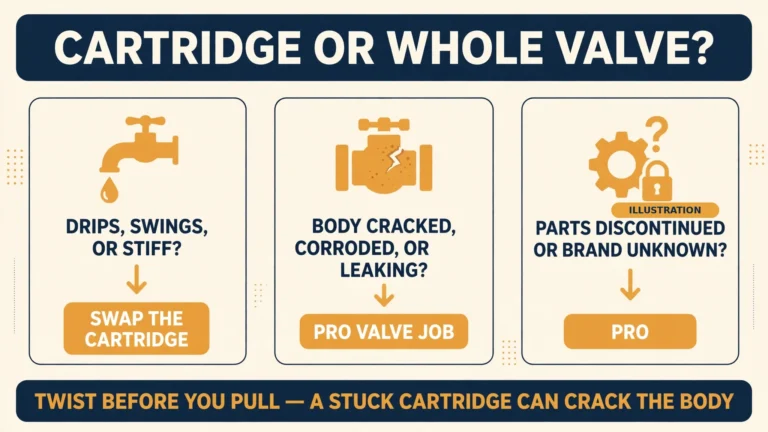
Quick answer Most shower valve problems end at the cartridge — the small part inside the valve that mixes hot and cold. A cartridge swap takes an hour or so, needs no permit, and costs a fraction of a full valve job. Only replace the whole valve body when it is cracked, corroded, or out…
Quick answer: A running toilet costs $0–25 to fix yourself or $100–400 for a plumber visit (2026, US). The DIY number depends on the diagnosis: a tangled chain or bad water level is free, a flapper is $5–12, a fill valve is $8–25. And the leak is costing you: a running toilet can waste up…
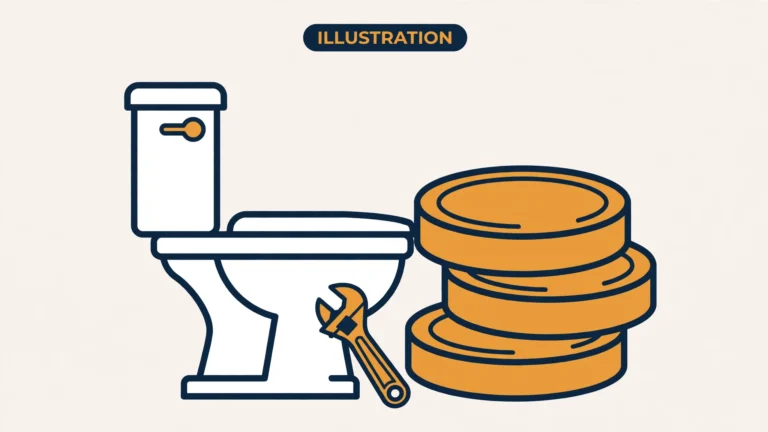
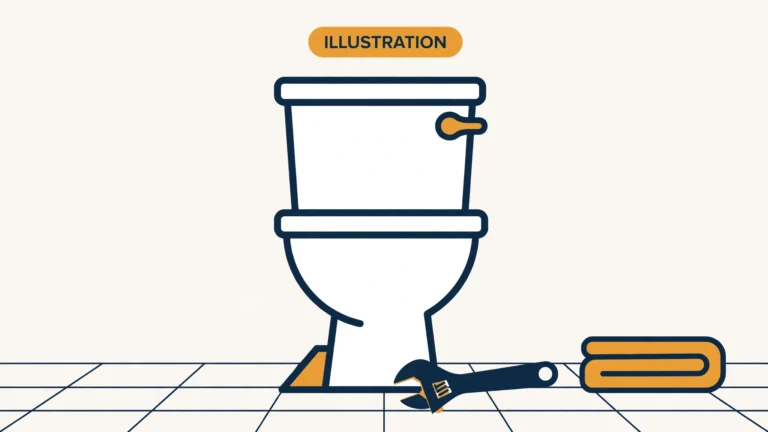
Quick answer: Push the toilet side to side at the base: if it moves, it’s loose. Pop the caps and snug the closet bolts a quarter-turn at a time, alternating sides; wedge shims under the low side and caulk around the base, leaving the back open. Only pull the toilet and replace the wax ring…
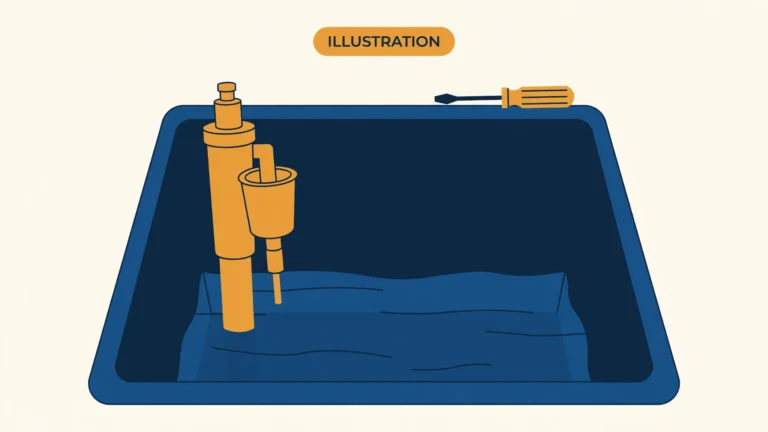
Quick answer: Pop the tank lid and find the fill valve on the left. Set the float so the water shuts off about ½ to 1 inch below the top of the overflow tube, or at the “Water Line” mark molded inside the tank. Float-cup screw: small turn, flush, watch; float-cup clip: squeeze and slide;…
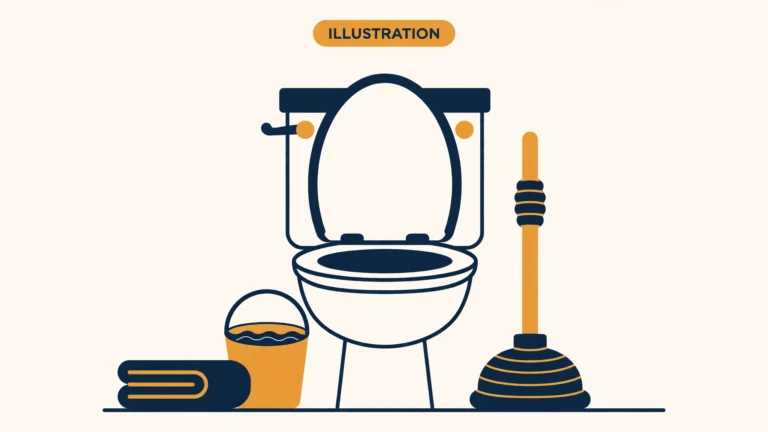
Quick answer: Before you touch a tool, run the bucket test: pour a bucket of water into the bowl, fast. If it drains normally, your problem is in the tank — not a clog. If the water rises and sits there, it’s a blockage — plunge with a flange plunger; stop and call a plumber…
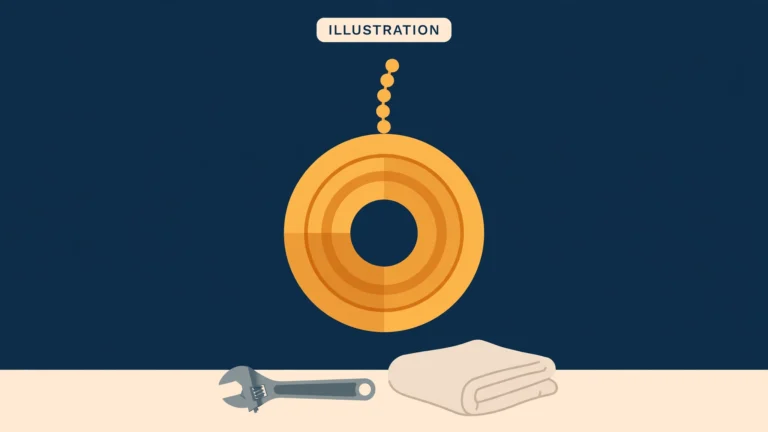
Quick answer: A flapper swap is a $5–12 part and ten minutes of work. The part everyone gets wrong is buying: measure the flush valve seat (the drain opening in the tank bottom) — roughly 2″ or 3″ — not the old flapper, which warps. Snap the new flapper onto the valve pegs, and set…